
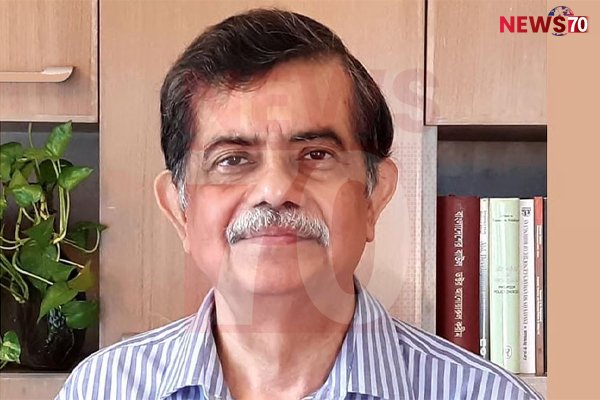
Education Adviser CR Abrar announced that the ground of Dhaka’s Government Madrasa-e-Alia will be returned to its authorities. Special development projects are planned for three Alia Madrasas, with promises to improve infrastructure, solve teacher shortages, and address student accommodation. The move follows a year of struggles at Dhaka Alia, including limited dormitories, classroom shortages, and disruption from the ground’s use as a special court.
Special projects underway for Alia Madrasas, Dhaka Alia ground to return to authorities: CR Abrar
Education Adviser Prof Dr Chowdhury Rafiqul Abrar on Wednesday announced that the ground of Dhaka’s historic Government Madrasa-e-Alia in Bakshibazar—previously taken over by the former government—will soon be handed back to its rightful authorities.
“The process of returning the ground has already started. It was occupied during the last government’s tenure to establish a special court on the premises, but it will now be removed through due procedure,” Abrar said.
He made the statement while speaking as the chief guest at the 246th founding anniversary of Government Madrasa-e-Alia, one of the country’s oldest educational institutions.
Abrar further revealed that special development projects have been initiated for three Alia Madrasas nationwide, including Dhaka Alia, focusing on infrastructure upgrades and academic improvement. He also pledged measures to address teacher shortages and student accommodation issues at the Dhaka campus.
The programme was presided over by Madrasa Principal Obaidul Hoque and attended by Religious Affairs Adviser Dr AFM Khalid Hossain, Secretary of the Madrasa and Technical Education Division Rafiqul Islam, and Bangladesh Madrasa Education Board Chairman Prof Mian Muhammad Nurul Haq.
Recent Challenges at Dhaka Alia Madrasa
Over the past year, Dhaka Alia Madrasa has faced growing difficulties. Students have repeatedly raised concerns over inadequate dormitory facilities, classroom shortages, and delayed renovations. The temporary use of its ground as a special court space not only reduced open space for students but also disrupted extracurricular activities and religious gatherings. Teacher vacancies have further strained the academic environment, leading to calls from students and guardians for urgent government intervention.
The adviser’s latest assurances mark a turning point, offering hope that the longstanding problems of the institution will finally be addressed alongside the restoration of its historic ground.