
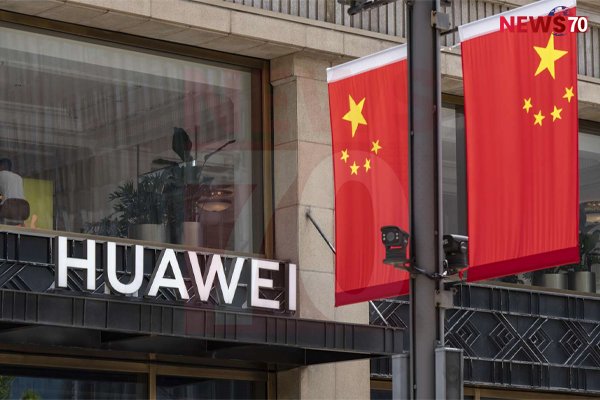
China’s Commerce Ministry has blacklisted Canadian chip research firm TechInsights, labeling it an “unreliable entity” after the company reported that Huawei’s AI chips contained foreign-made components. The ban prohibits Chinese entities from working with TechInsights and underscores Beijing’s growing secrecy around its semiconductor sector. The move follows ongoing tensions over U.S. export controls, which have long restricted Huawei and Chinese chipmakers from accessing advanced foreign technology.
China Blacklists TechInsights Over Huawei Chip Report
China’s Commerce Ministry announced on Thursday that Canadian semiconductor research firm TechInsights has been designated an “unreliable entity” due to national security concerns, effectively blacklisting the company. The designation bars Chinese individuals and organizations from sharing information or cooperating with TechInsights.
The move follows TechInsights’ recent report revealing that Huawei’s latest artificial intelligence (AI) chips contained components sourced from outside mainland China. Beijing’s ban could further deepen the opacity surrounding the country’s chip industry.
TechInsights, known globally for its detailed analysis of Chinese-made semiconductors, was among the first to report technological breakthroughs by Huawei Technologies. The firm’s findings about Huawei’s new “Ascend” AI chips align with reports from other analysts, including SemiAnalysis, which noted that Huawei relies on technology from Samsung Electronics and Taiwan Semiconductor Manufacturing Co. (TSMC)—companies restricted under U.S. export controls from selling their most advanced technology to China.
Huawei itself has been on a U.S. trade blacklist since 2019, preventing chipmakers with U.S. business ties from directly supplying it. In response, Beijing and its domestic chip producers have accelerated efforts to establish a self-sufficient semiconductor supply chain. Huawei has positioned itself as a key player in this drive, developing alternatives to U.S. chip giant Nvidia, though TechInsights’ findings could be viewed as a setback to those ambitions.
Despite Huawei’s prominence, little information about its chipmaking operations is made public, leaving independent research firms to piece together insights. Reports have indicated that Huawei collaborates with Semiconductor Manufacturing International Corp. (SMIC) — a Chinese foundry competing with TSMC — though both companies have remained silent about their relationship since Huawei’s blacklisting.
Last year, TechInsights discovered that a Huawei device contained a chip component from TSMC, raising questions about the effectiveness of U.S. export restrictions. The firm’s latest analysis of Huawei’s AI chips is expected to intensify scrutiny over how Chinese companies continue to navigate these trade limits.
Neither TechInsights nor Huawei responded to requests for comment from CNBC outside of normal working hours. Analysts say Chinese chipmakers have taken advantage of regulatory loopholes and relied on stockpiled imported components accumulated before tighter restrictions took effect.