
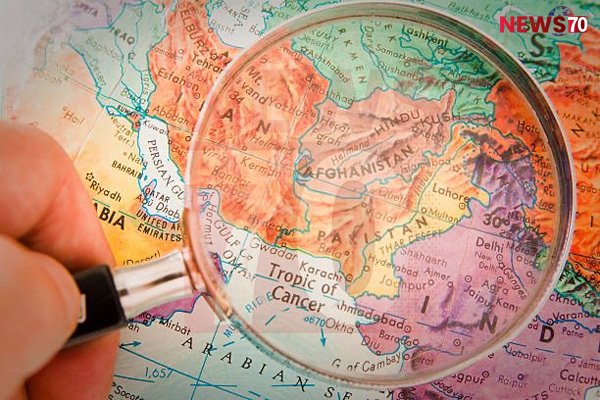
Pakistan and Afghanistan have agreed to a new ceasefire after more than a week of deadly border clashes, brokered through talks in Doha mediated by Qatar and Turkey. The violence, which began on October 10, marked the worst escalation since the Taliban returned to power in 2021. Both nations accused each other of airstrikes and harboring militants. The ceasefire includes commitments to avoid targeting civilians and critical infrastructure. Meanwhile, Afghanistan pulled out of an upcoming cricket tournament after players were reportedly killed in a Pakistani strike.
Pakistan and Afghanistan have reached a new immediate ceasefire agreement following over a week of intense and deadly border clashes, Qatar’s foreign ministry announced early Sunday. The truce was brokered during talks held in Doha, mediated by Qatar and Turkey, and aims to promote “lasting peace and stability” between the two neighboring nations.
The renewed agreement follows continued violence despite earlier attempts at a ceasefire. According to the Taliban's spokesperson Zabiullah Mujahid, both countries have now committed to halting hostilities, refraining from attacks on each other’s forces, civilians, and vital infrastructure. As part of the deal, Afghanistan pledged not to support groups that carry out assaults against the Pakistani government.
The conflict erupted on October 10 after Afghan officials alleged that Pakistan had carried out airstrikes in Kabul, prompting retaliatory attacks. In turn, Pakistan has long accused the Taliban-led Afghan government of providing shelter to the Tehrik-i-Taliban Pakistan (TTP), a charge Kabul denies.
A temporary 48-hour ceasefire was put in place on Wednesday and later extended on Friday to allow for further diplomatic efforts. However, fighting persisted even during the truce period. Ahead of Saturday’s negotiations in Doha, Afghanistan’s defense minister led a high-level delegation to the talks, while accusing Pakistan of conducting airstrikes on civilian areas in Paktika province.
In response, Taliban spokesperson Mujahid said that although Afghanistan reserves the right to respond to such violations, its forces were ordered to stand down to preserve the dignity of the negotiating team. Meanwhile, Pakistan defended its military actions, claiming they targeted “verified” militant camps and not civilian areas.
“All claims about civilian casualties are baseless and intended to drum up support for terrorist organizations operating out of Afghanistan,” Pakistan’s Information Minister Attaullah Tarar posted on X Saturday. He also stated that during the ceasefire period, militants had attempted attacks on Pakistani soil, which were thwarted by security forces, resulting in the deaths of over 100 fighters—figures that CNN could not independently verify.
The Afghanistan Cricket Board, however, reported that a Pakistani airstrike in Paktika killed eight individuals, including three cricket players, who had just returned from a friendly match. In protest, the board announced Afghanistan’s withdrawal from an upcoming T20I tri-series with Pakistan and Sri Lanka, expressing “deep sorrow and grief.”
The recent escalation represents the deadliest confrontation between Pakistan and Afghanistan since the Taliban returned to power in 2021 after the U.S. withdrawal. It also signals a growing rift between the once-close neighbors. Pakistan, a key supporter of the Taliban during its insurgency against NATO forces, now faces increasing security threats from the TTP, which, according to the Armed Conflict Location & Event Data (ACLED), carried out around 600 attacks in the past year.
According to a Thursday statement from the United Nations Assistance Mission in Afghanistan (UNAMA), at least three dozen civilians have been killed and hundreds more injured in Afghanistan since the outbreak of violence.