
Hurricane Melissa has claimed 28 lives in Jamaica, with Prime Minister Andrew Holness warning the toll could rise. The category five hurricane caused widespread flooding, power outages, and destruction, particularly in western regions. Relief efforts face delays due to blocked roads and damaged infrastructure, while thousands remain in emergency shelters. Melissa is the strongest storm to hit Jamaica, with winds of 185 mph, also affecting Haiti, the Dominican Republic, and Cuba. Experts note climate change and warmer seas may increase hurricane intensity.
Hurricane Melissa Death Toll in Jamaica Rises to 28
The death toll in Jamaica from Hurricane Melissa has climbed to 28, Prime Minister Andrew Holness confirmed. On Saturday, he reported nine additional fatalities, noting that authorities are still verifying possible further deaths, indicating the number could increase.
Emergency responders and aid agencies have faced significant challenges reaching affected areas due to blocked roads, debris, and flooding.
Melissa, a category five hurricane, the strongest type on record, has caused dozens of deaths across the Caribbean, delivering powerful winds and landslides in Cuba and Haiti.
The full extent of damage in Jamaica has only become clear in recent days. The storm knocked out communications and power across much of the island after making landfall on Tuesday. Communities in the western region, including Black River and Montego Bay, suffered the most severe destruction.
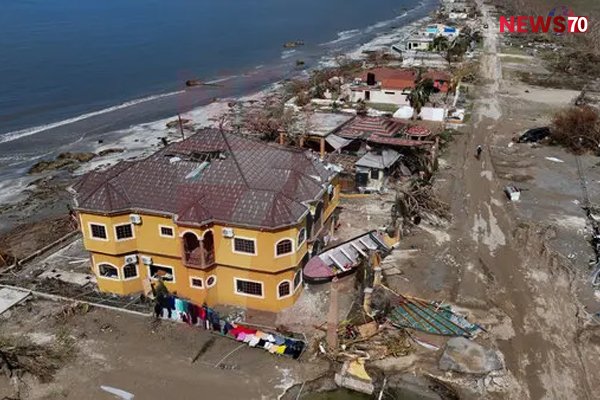
Images from the affected areas show destroyed buildings, debris scattered across streets, and neighborhoods submerged in floodwaters.
The Red Cross reports that 72% of the population remains without electricity, while approximately 6,000 people are staying in emergency shelters.
Jamaican officials told AFP that multiple field hospitals are being set up in the hardest-hit western areas.
Aid efforts have been delayed initially by the temporary closure of airports, and continued landslides, fallen trees, and downed power lines have made some roads impassable, complicating relief distribution.
With urgent needs for clean drinking water, food, and medicine, there have been reports of people entering supermarkets and pharmacies to gather supplies.
Melissa is now recorded as the most powerful storm to hit Jamaica and among the strongest ever observed in the Caribbean. At its peak, the hurricane sustained winds of 185 mph (295 km/h). Category five hurricanes are capable of catastrophic damage and have winds exceeding 157 mph.
Elsewhere in the Caribbean, the hurricane has caused at least 31 deaths in Haiti and two in the Dominican Republic. In Cuba, authorities evacuated thousands of people as more than 60,000 homes were damaged or destroyed.
While the exact link between climate change and storm frequency remains uncertain, warmer sea surface temperatures increase energy available for hurricanes, cyclones, and typhoons, likely making them more intense with heavier rainfall.
Ahead of this year’s Atlantic hurricane season, the US National Oceanic and Atmospheric Administration (NOAA) had predicted above-normal storm activity.