
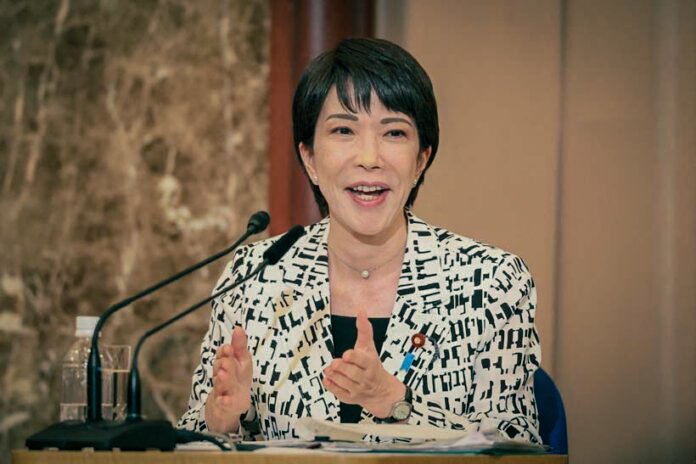
Japan’s nationalist politician Sanae Takaichi has been elected leader of the ruling Liberal Democratic Party. If she wins the upcoming parliamentary vote, she will become Japan’s first-ever female Prime Minister — marking a historic milestone for the nation’s gender equality in politics.
Japan’s hardline nationalist politician Sanae Takaichi is on the verge of becoming the country’s first-ever female Prime Minister. On Saturday (October 4), she was elected as the new leader of the ruling Liberal Democratic Party (LDP) — being the only woman among five contenders.
Amid Japan’s ongoing political uncertainty, LDP members have shown confidence in the 64-year-old leader. The parliamentary vote to choose outgoing Prime Minister Shigeru Ishiba’s successor will be held on October 15. If Takaichi wins that vote, she will make history as Japan’s first female Prime Minister.
Takaichi has long been leading public opinion polls, particularly in competition with Agriculture Minister Shinjiro Koizumi. Last year, she narrowly lost to Ishiba in the runoff, but this time her chances of victory appear much stronger.
If she succeeds in both the party and parliamentary votes, it will mark a groundbreaking moment for Japan — a country that has never had a female Prime Minister, Finance Minister, or Central Bank Governor.
Hiroko Takeda, a gender and politics researcher at Nagoya University, said, “If a woman becomes Prime Minister, it could reshape how the world views Japan.”
According to the World Economic Forum’s Gender Gap Index, Japan ranks 118th out of 148 countries, below nations like Senegal and Angola. The country continues to lag behind in political and economic participation, with women holding only 15.7% of seats in the lower house — compared to a global average of 27.1% and an Asian average of 22.1%.
Born in Nara Prefecture, Takaichi has cited former UK Prime Minister Margaret Thatcher as her inspiration.